
Equipment Metadata Integration BIM Services
Equipment Metadata Integration BIM Services Enrich BIM models with accurate and structured equipment information through professional Equipment Metadata Integration BIM Services. We integrate technical specifications, manufacturer details, asset identifiers, installation information, and project-specific parameters into BIM model elements.
Connect Equipment Information with Your BIM Model
A BIM model becomes more useful when equipment geometry is connected with reliable technical and operational information. Missing or inconsistent metadata can make it difficult to identify equipment, review specifications, generate schedules, or use model information for downstream workflows.
Our Equipment Metadata Integration BIM Services focus on organizing and integrating relevant equipment information into BIM models based on project requirements. We review available BIM models, equipment schedules, specifications, manufacturer documents, and other project references to populate appropriate parameters and metadata.
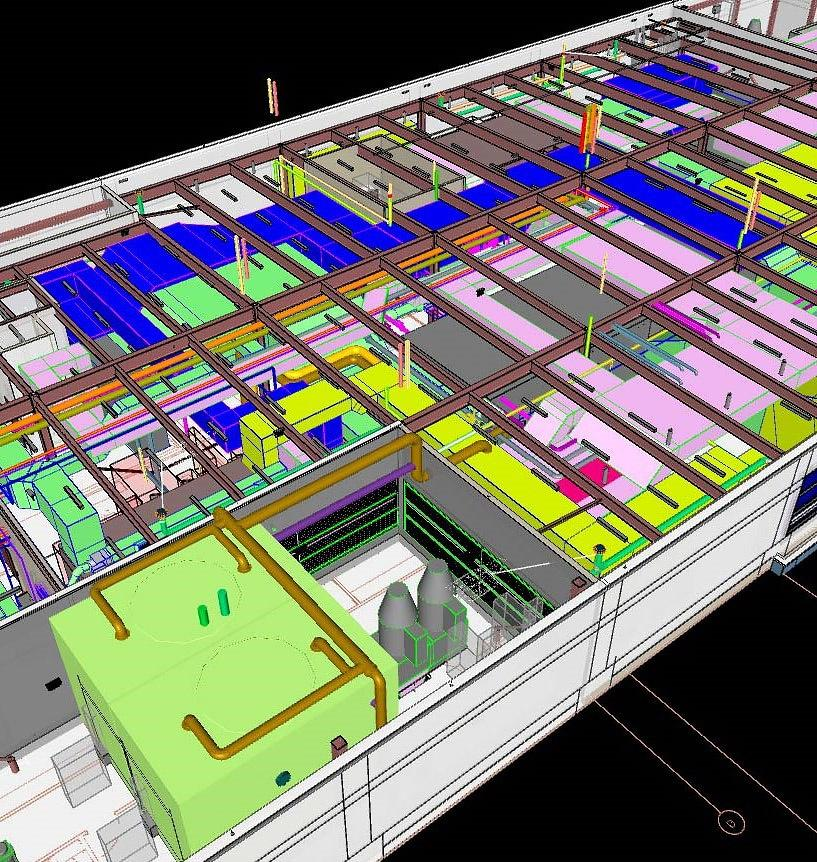
Our Equipment Metadata Integration BIM Services
Equipment Metadata Integration & Digital TwinOur solutions help organizations enrich existing BIM models with structured equipment information, making model elements easier to identify, review, schedule, and manage.
Our Equipment Metadata Integration BIM Services - Key Capabilities
Our workflow combines BIM model review, equipment data management, parameter integration, and quality control to create more informative and usable equipment models.
Equipment Identification & Classification
Identify equipment within the BIM model and organize it according to project-specific classifications and information requirements.
- Equipment identification
- Equipment categorization
- Asset classification
- System mapping
- Location identification
Technical Metadata Integration
Add relevant technical data to BIM equipment elements based on available project information.
- Equipment specifications
- Capacity data
- Dimensions
- Material information
- Performance information
- Connection details
Manufacturer & Asset Information
Connect equipment elements with manufacturer and asset-related details for easier identification and management.
- Manufacturer information
- Product details
- Model numbers
- Asset IDs
- Serial information
- Installation data
- Warranty information where available
Metadata Validation & Reporting
Review integrated equipment data to improve consistency and make the information easier to use for schedules and downstream workflows.
- Parameter checks
- Data completeness review
- Equipment schedule validation
- Model-to-data verification
- Naming consistency
- Final quality control
Technology-Driven Equipment Metadata Integration
We use BIM platforms, model review tools, and structured data workflows to integrate equipment information while maintaining compatibility with project-specific modeling standards.



Equipment Metadata Integration BIM Services for Real-World Building Projects
Our equipment metadata workflows can be adapted to different building types, equipment categories, and project information requirements.
Structural BIM for Educational & Religious Facilities
High-precision Structural BIM Modeling and Drafting for large-scale educational and religious infrastructure projects in New York, USA.
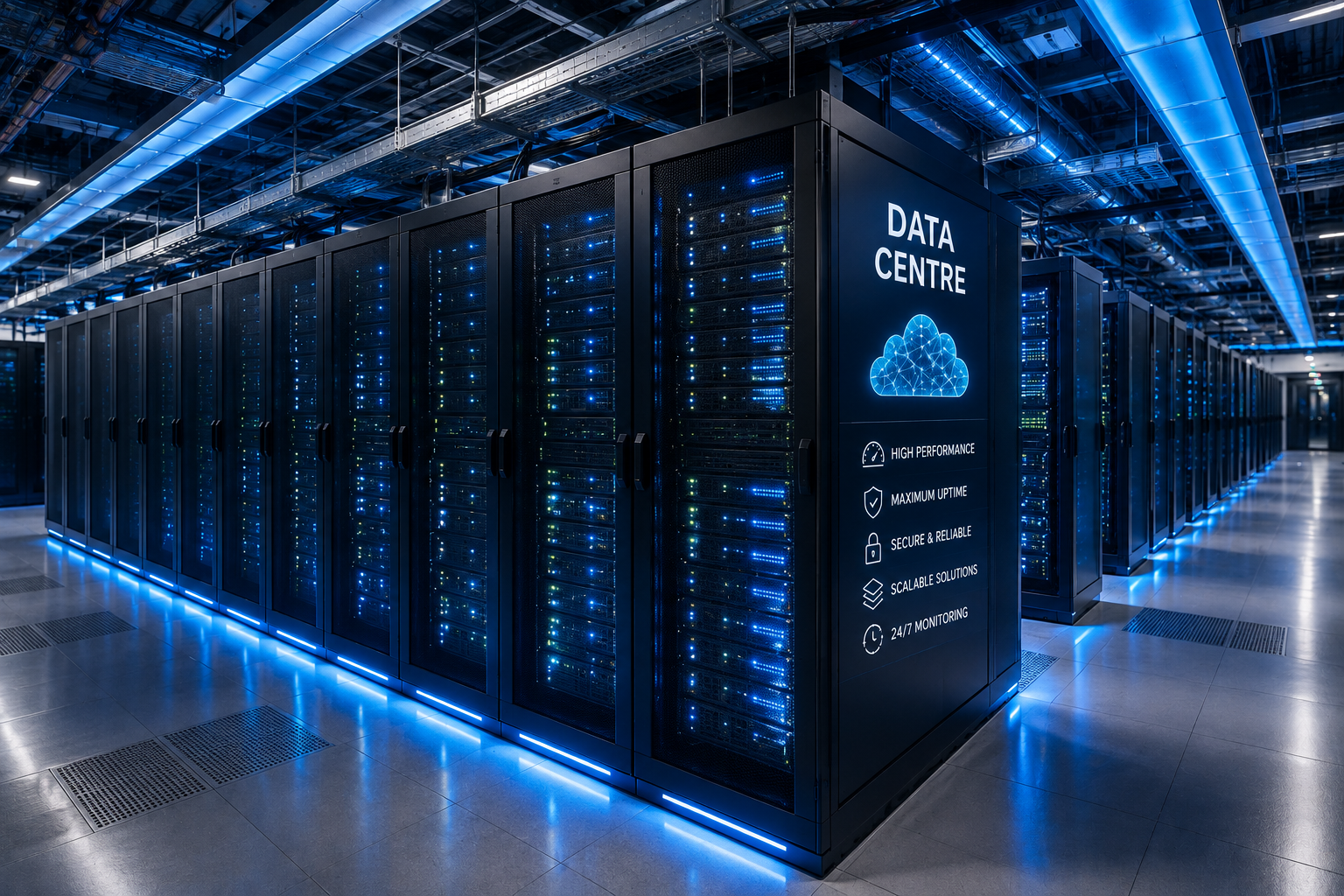
Hyperscale Data Center — BIM Modeling & Coordination
Comprehensive Data Center BIM Modeling, MEP coordination, clash detection, and construction documentation support for a large-scale 15+ acre hyperscale data center project.
Park Field — Residential & Commercial BIM Coordination
High-detail BIM Modeling and MEP Coordination for a B+G+P+19-floor mixed-use residential and commercial development, delivered at LOD 400.
Equipment Metadata Integration Across Sectors
Our Equipment Metadata Integration services can be adapted to different project types and construction environments.
Residential
Villas, Apartments , Townhouses, Residential complexes, Housing developments, .

Commercial
Office buildings , Corporate facilities ,Commercial complexes , Business parks
Educational
Schools , Colleges ,Universities ,Training centers ,Institutional buildings

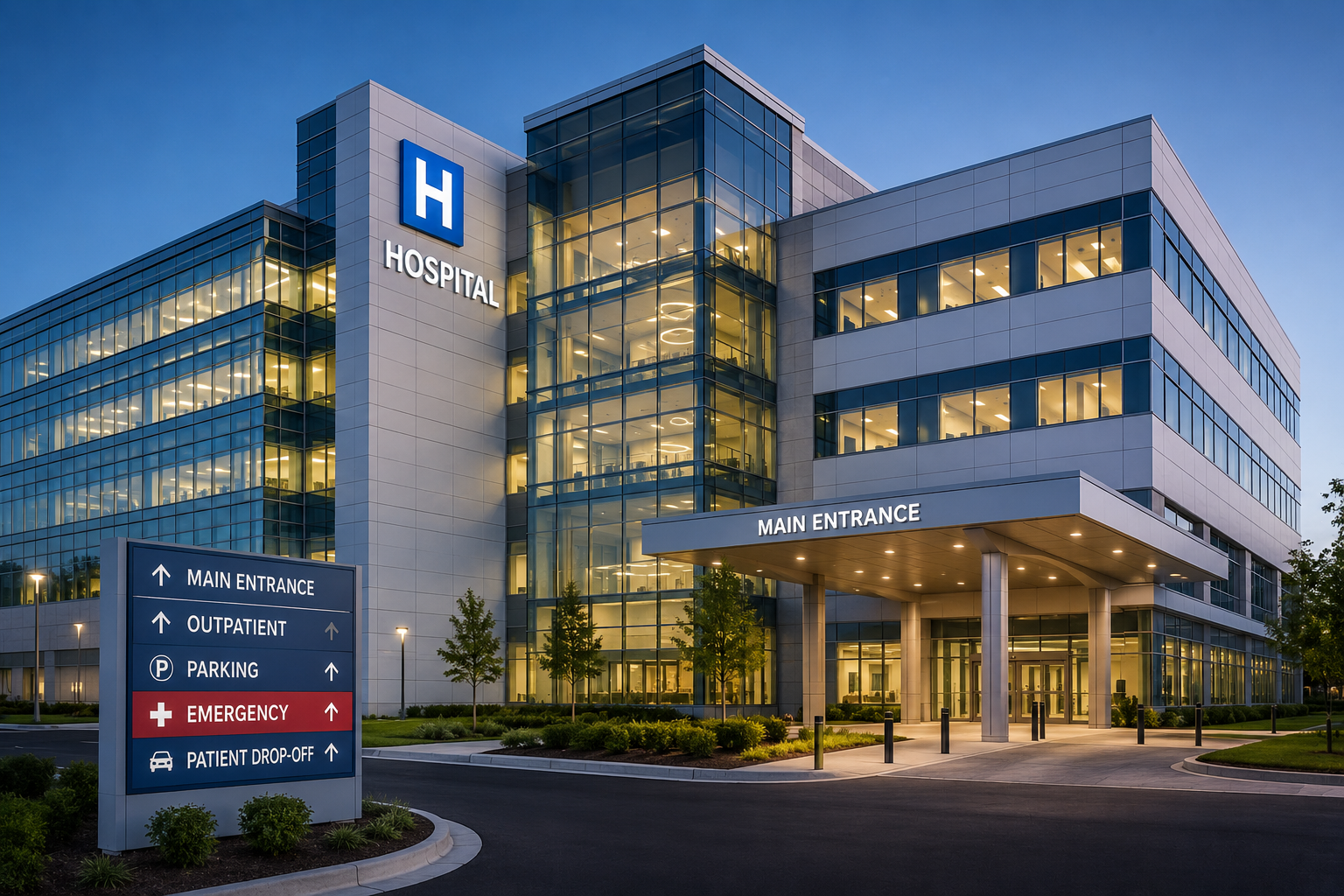
Healthcare
Hospitals , Clinics , Medical centers , Diagnostic facilities , Healthcare campuses
Infrastructure
Public facilities, Civic buildings ,Transportation-related buildings , Infrastructure facilities
Our Our Equipment Metadata Integration BIM Workflow
A structured workflow helps ensure equipment metadata is correctly connected with BIM elements and aligned with project information requirements

Project Assessment
We review the project scope, existing BIM model, equipment categories, required parameters, information standards, and expected deliverables.

Equipment & Source Data Review
Our team examines Revit models, equipment schedules, drawings, specifications, manufacturer documents, submittals, and other available references.

Metadata Mapping & Integration
Relevant equipment information is mapped to BIM parameters and integrated into the appropriate model elements according to the approved data structure.

Data Validation & Client Review
Integrated metadata is checked for accuracy, completeness, consistency, and correct association with equipment. Client feedback and approved revisions are incorporated.

Final Delivery
The completed BIM model, equipment schedules, and related data deliverables are provided in the agreed formats and according to project naming and documentation standards.
Frequently Asked Questions
Answers to the questions we hear most often about our BIM Services.
Let’s Build Your Next Engineering Project
From precision CAD drafting and 3D architectural modeling to coordinated BIM and structural detailing, we deliver accurate, construction-ready solutions. Share your project requirements and get an engineering solution tailored to your scope, timeline, and standards.
- Fast Response Get a response within 1 business day
- Expert Project Support Dedicated engineering coordination project
- Flexible Engagement Start with a consultation
- 98% Quality-Focused Delivery 127+ projects
SCHEDULE A CONSULTATION
Tell us about your project
Our Global Presence